
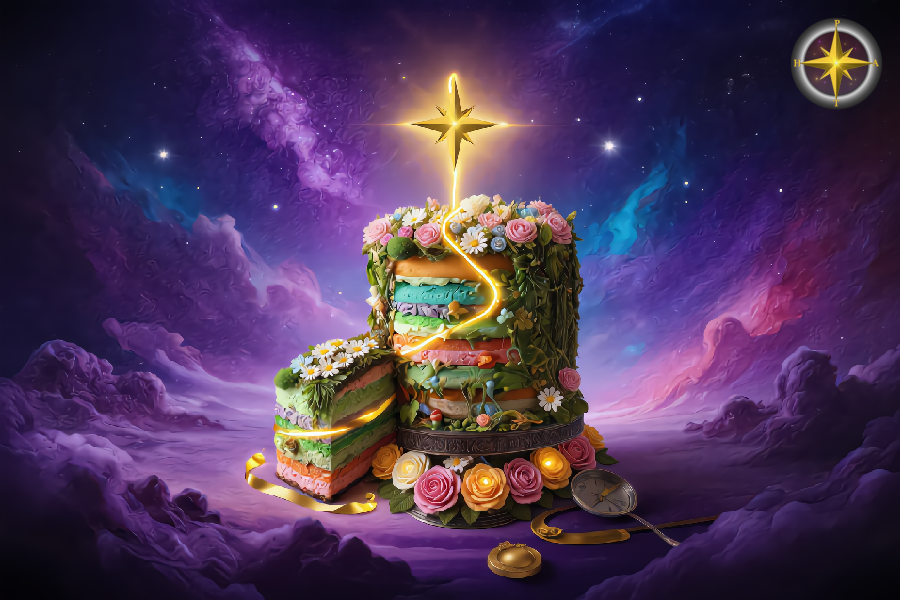
The Little Treat Economy: Have Your Cake and Future Too
“I need to treat myself” can be a death song for someone’s finances — a soft, melodic one, usually sung while holding a latte and lavishly decorated cookie — but still a death song. It can quietly seep away your cashflow into the broad abyss of lifestyle inflation. I’ve heard it everywhere. I’ve watched people sink their financial situation using this logic, strangling themselves in debt, goals foiled, all while clutching a croissant. And the ‘little treat’ economy is becoming ever more prevalent.
And here’s the twist: treating yourself isn’t wrong. You should treat yourself. Every day, even. But you don’t need lifestyle creep in your finances to whimsically, unabashedly spoil yourself in your daily life.
I’ve been thinking about this a lot lately because someone dear to me — stressed, stretched, and trying her best — has been picking up little treats on the way home for a few days in a row. Sushi. M&S cookies. Innocent enough. But £20 a day adds up fast, and her account is now skint. (Skint in the “I swear I had money yesterday” kind of way.)
If she continued at this pace, her “treat yourself” habit would cost £7,300 a year. Over 10 years, £73,000. Invested at 10%, £116,000. Keep it up for another decade and you’re looking at £417,000.
All from £20 a day. Imagine. That’s a house deposit. That’s a business. That’s… a lot of cookies.
And here’s the thing: treating yourself is necessary. You work hard. You deserve sweetness in your day. But ideally, sweetness that doesn’t sabotage your future.
So, can you save money and still treat yourself with daily pleasures? Can you have your cake and eat it too? Yes. Absolutely yes.
Everyone deserves something to look forward to in the day. Something that sparks excitement. Ideally, multiple things. A moment of sweetness, comfort, or joy. A pause in the noise. A tiny respite that says, “I matter.” Because you really do.
But somewhere along the way, we started equating treats with buying things. We outsourced our joy to consumerism. We let spending become synonymous with living. And that’s where the trouble begins — in our budgets
Watch the Poster Come to Life
Click to Step Into the Story

The Little Treat Economy
Treats have become a kind of emotional economy.
Bad day? Buy something. Stressed? Buy something. Sad, overwhelmed, or celebrating? You guessed it, buy something and treat yourself. Happy? Treat yourself anyway — because why not buy something?
It’s not wrong. It’s human. I fall into this trap too, more than I’d like to admit. Flowers, books, and an occasional carrot cake! — I love them all. But these reflexive purchases can get expensive. And more importantly: there is another way.
Because the best treats — the ones that actually restore us — can be free. Really.
Let’s go back to the cake example. Regularly buying cake on impulse because you had a hard day? That creates lifestyle inflation because the short-term pleasures create long-term financial sabotage.
But baking a cake with your child? Eating cake with friends? Savouring cake slowly, without guilt?
That’s connection. That’s nourishment. Same consumption of cake, completely different experience.
The Wealth of Free Treats
A treat is anything that nourishes you, gives you something to look forward to, or creates a memory. Most cost very little — or nothing at all. Some of my favourites:
- savouring a quiet cup of coffee in the morning
- giving yourself time to exercise
- taking a walk in nature and catching the golden evening light
- a trip to the beach with a picnic (and maybe a pet)
- a long bath or a hot shower
- reading a fabulous bedtime story to your child (or to yourself)
- a good laugh with a friend
- a simple phone call to an old friend
- a peaceful evening with your partner (or alone)
- playing an instrument or a game
- indulging in a hobby, the more creative the better
- moving your body: gardening, exercising, dancing, martial arts
- cleaning your space — okay, maybe the result more than the effort
- …and baking a cake with someone you love
These are little treats. These are nourishment. These are “having a life.” A good life. With little or no price tag required.
But they don’t get marketed. Why?
Because no one profits when you sit on a bench and watch the sunset.
No one earns revenue when you laugh with your child while reading a book.
No one monetises warm water on your shoulders.
So, through the constant bombardment of traditional advertisements, digital ads, and now influencers, we forget.
Living Doesn’t Have to Be Expensive
You’re not wrong if you like to indulge. You work hard and you do need to live. We all do.
But living doesn’t have to mean spending. Comfort doesn’t have to mean consumption. Treating yourself doesn’t have to mean tapping your card habitually.
Consumer items shouldn’t have a monopoly on our joy.
You can treat yourself daily — generously, meaningfully, beautifully — without spending £7,200 a year on cookies and sushi and sacrificing your future freedom fund. You can build a life filled with treats that nourish you instead of draining your bank account. You can create rituals of comfort that restore you instead of numbing you.
You can live — fully, richly, intentionally — without buying your way into the indulging in that ‘little treat’ feeling.
A Treat Is Anything That Makes Life Feel a Little Softer
When you redefine ‘little treats’ this way, something shifts. You stop chasing the quick hit. You start building real quality of life. You stop outsourcing joy, and start really cultivating it. You stop spending to feel alive. You start living.
Suddenly, living is about living — not overspending. So can you treat yourself daily and keep your financial freedom? Yes. Absolutely yes.
What is your favourite little treat?
About the Author
Dr. Cora Pettipas, CFP is an award-winning global financial strategist, bestselling author, and creator of the Compass Star PATH system. Through her writing, speaking, and financial planning work, she helps individuals build Passion, Abundance, Time, and Health into their lives.
Learn more about Dr. Cora Pettipas by clicking here.

Continue Your PATH Journey
You may also enjoy:
Abundance: The Glass Half Full
What if abundance has been quietly surrounding you all along? The difference between scarcity and abundance is often not what you have, but what you see. Discover how a simple shift in perspective can help you recognize opportunities, appreciate resources, and uncover possibilities that scarcity keeps hidden. True wealth isn’t built from what you acquire, but from what you learn to recognize and cultivate.
Cutting Waste, Growing Wealth
Is saving £432 worth an hour of your time? We often focus on increasing our income while overlooking the small expenses that quietly erode our wealth. Small increases in spending are easy to ignore, but over time they can quietly cost thousands. Discover how identifying financial leaks, cutting unnecessary waste and capturing overlooked opportunities can strengthen your cash flow and help turn attention into wealth. Because wealth grows not only through what you earn, but through what you keep.
Your Budget: Creating a Lifestyle Blueprint
Most people think a budget is about controlling money. A budget is more than a collection of numbers. In reality, it’s a blueprint for the life you’re building. Every dollar you spend is a reflection of your priorities, values, and aspirations, shaping your future one choice at a time. Discover how intentional budgeting can help align your resources with what matters most, because the life you want is rarely built by accident.
What is your Number? Building Your Net Worth
Many people avoid calculating their net worth because they’re afraid of what they might discover. But your number isn’t a verdict. It’s a starting point. Net worth is one of the most powerful measures of financial health, providing clarity about where you are today and helping you chart a path toward the future you want. Discover how understanding your number can help you make better decisions, measure progress, and build true wealth with confidence.
Disclaimer: This article is for educational purposes only and is not personal financial advice.