
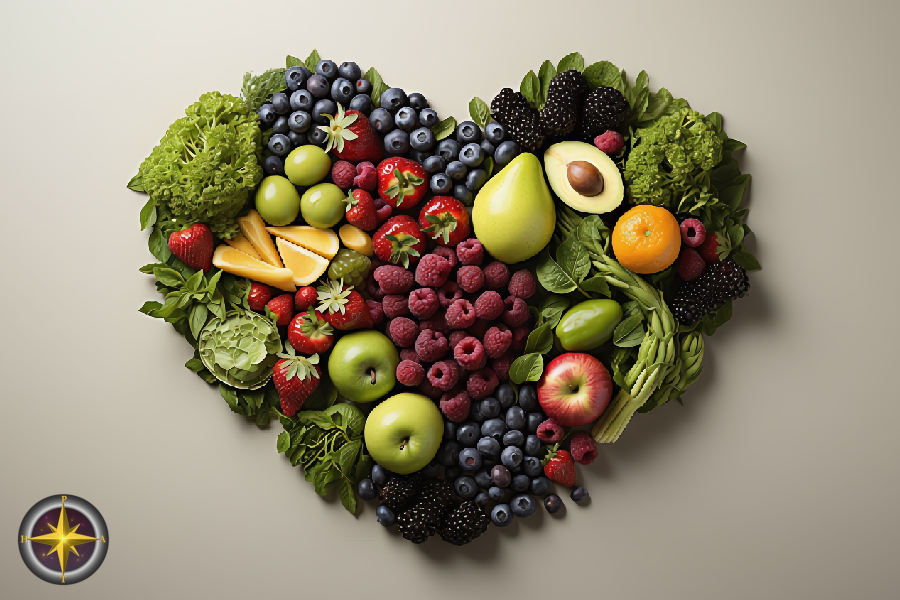
The Wealth of Whole Foods: Your Body’s Best Investment
Your food budget is quietly shaping your future wealth — far more than you think.
You don’t need to be a forensic accountant to see that food isn’t cheap anymore. Food shops can create heart palpitations regardless of your wealth level. With the cost‑of‑living squeeze, households everywhere are quietly cutting their food budgets. Our own food bill has doubled in five years — and it’s still climbing.
The Rising Cost — and the Trade‑Off
Whole foods are the equivalent of long‑term investing: steady, reliable, quietly compounding in the background. Ultra‑processed foods are the equivalent of high‑interest debt: quick, convenient, and expensive in ways you don’t notice until you feel the cost.
Increasingly, households are reducing whole foods and shifting toward cheaper processed options. Discount chains are seeing record demand — even cancelling promotions because they were overwhelmed. In the US, food spending has reportedly flattened despite rising prices, meaning people may be buying fewer whole foods and more processed alternatives.
This swap has a hidden cost: lower‑quality food means lower energy, poorer sleep, more stress, and reduced long‑term health. The goal isn’t to spend more — it’s to spend better, and combine it with other skills and habits.
Whole Foods: Your Best Investment
Whole foods are your best investment. They provide health and abundance in their simplest form — vitality, nourishment, satiation. They’re not fancy or exclusive; they’re foundational. When you choose whole foods, you’re choosing energy, clarity, and long‑term wellbeing. You’re choosing the kind of wealth that grows inside you, day after day.
Whole, nutritious food isn’t just a cost; it’s an investment. It’s one of the few places where spending a little more today can create more clarity, more resilience, and more healthspan tomorrow.
Upgrading Your Operating System
Every major dietary pattern linked to longer life — Mediterranean, whole‑food keto, plant‑forward diets — is built around real food. These patterns consistently show lower rates of chronic disease and longer life expectancy. Some research suggests whole‑food dietary patterns reduce all‑cause mortality by nearly one‑third and cancer mortality by a similar margin. In other words: whole foods don’t just add years to your life — they add better years.
Imagine waking up with steadier energy, moving through your day without the crash, and ending your evenings with a calmer mind. Imagine your creativity returning, your focus sharpening, your mood lifting — not because you worked harder, but because your body finally has what it needs. That’s what whole foods quietly create.
Think of food as part of your personal operating system. When you nourish your body with whole, minimally processed foods, you upgrade your internal environment.
Spend Better, Not Less
When you look at your budget, the goal isn’t to spend less on food. It’s to spend better — to shift resources away from foods that drain you and toward foods that strengthen you. To treat nourishment as part of your wellbeing portfolio.
Eating well today is far from effortless. It takes time, creativity, meal planning, and cooking skill — especially as food costs rise. Many households are adapting by bringing back more traditional habits: shopping across multiple stores, avoiding brand names, following promotions, choosing markets for produce, buying seasonal, gardening, cooking at home, meal prepping, and saving restaurant meals for special occasions.
The Craft of Eating Well
Nourishing yourself now requires intention. It asks for chopping, cooking, cleaning, and the quiet discipline of choosing real foods over convenience. This isn’t a moral issue; it’s a practical one. Eating well has become a craft again — something you build into your week, something you organise your life around, something you can do with your loved ones. And while it takes effort, it also gives effort back: in energy, clarity, mood, and the sense that your body is being supported rather than depleted.
Food is fuel, yes. But it’s also medicine. It’s also clarity. It’s also productivity. And when chosen intentionally, it becomes one of the most powerful investments you can make in yourself. It’s a life upgrade — a different experience of being in your body. And your body is your biggest asset.
What are you doing to make the most of your food budget?

Disclaimer: This article is for educational purposes only and is not personal financial advice.